

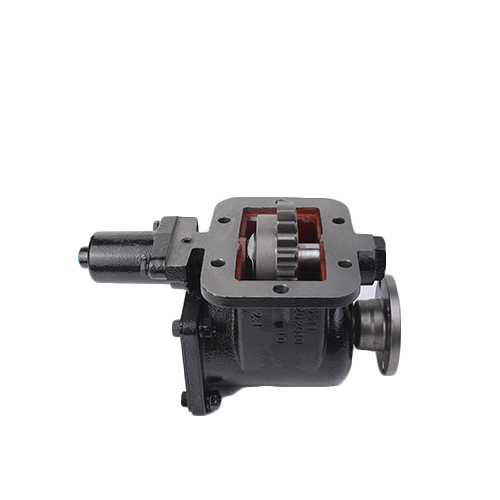
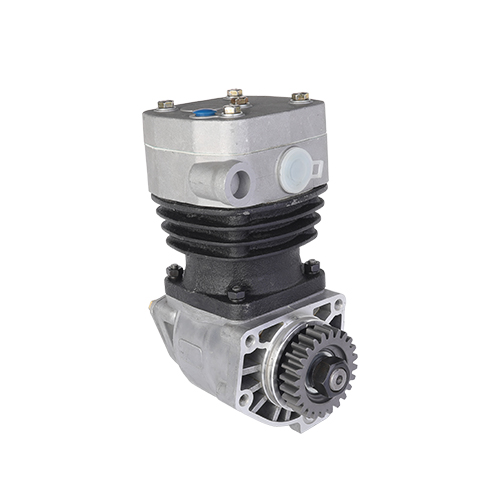
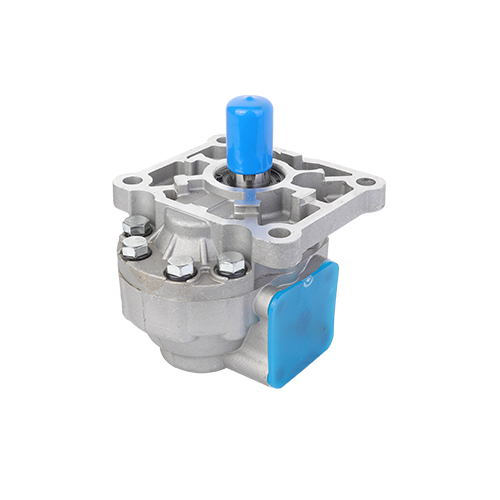
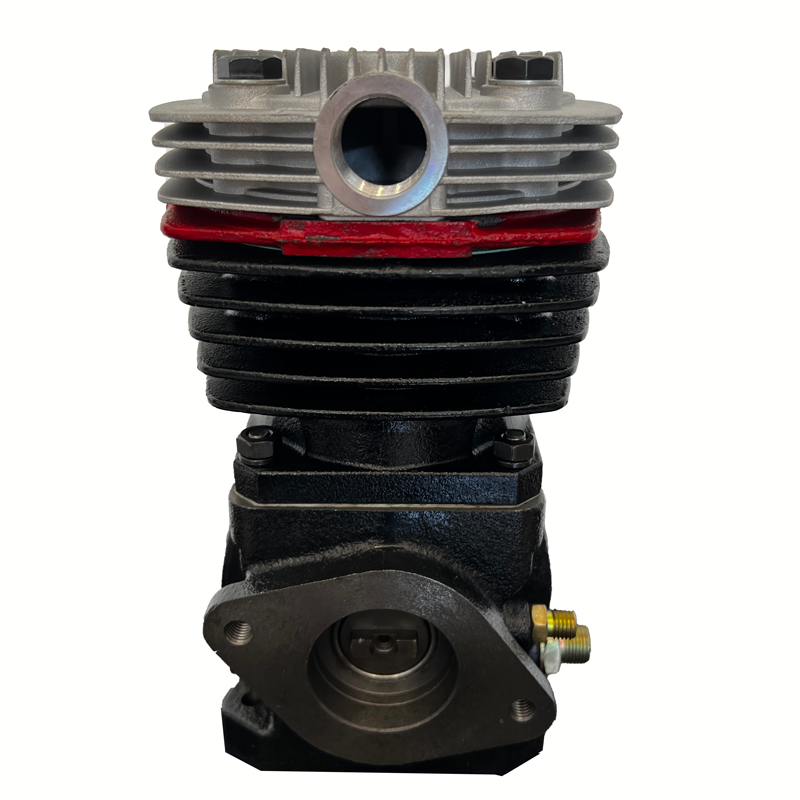
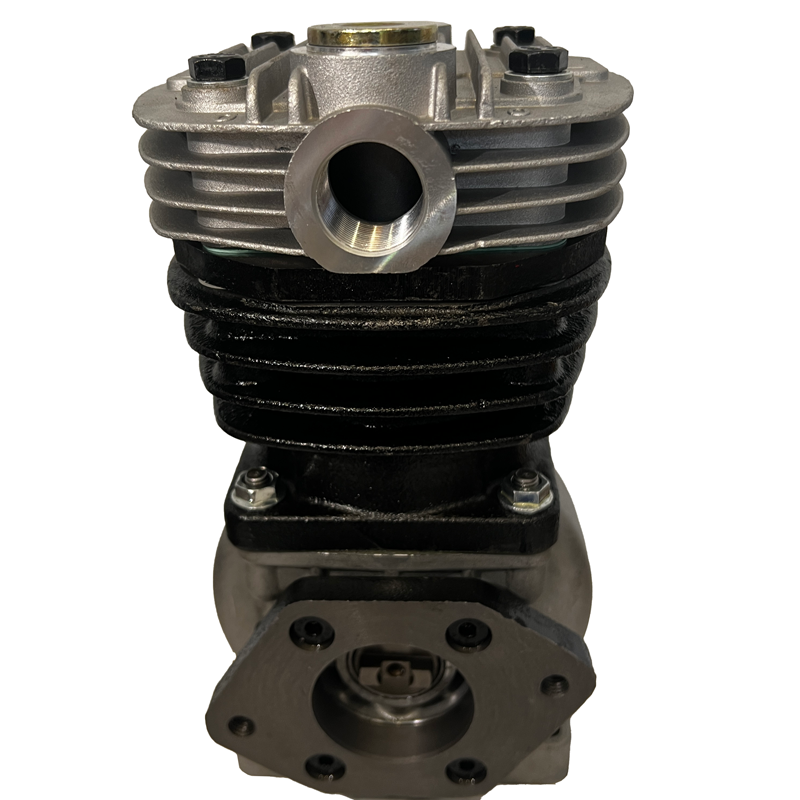
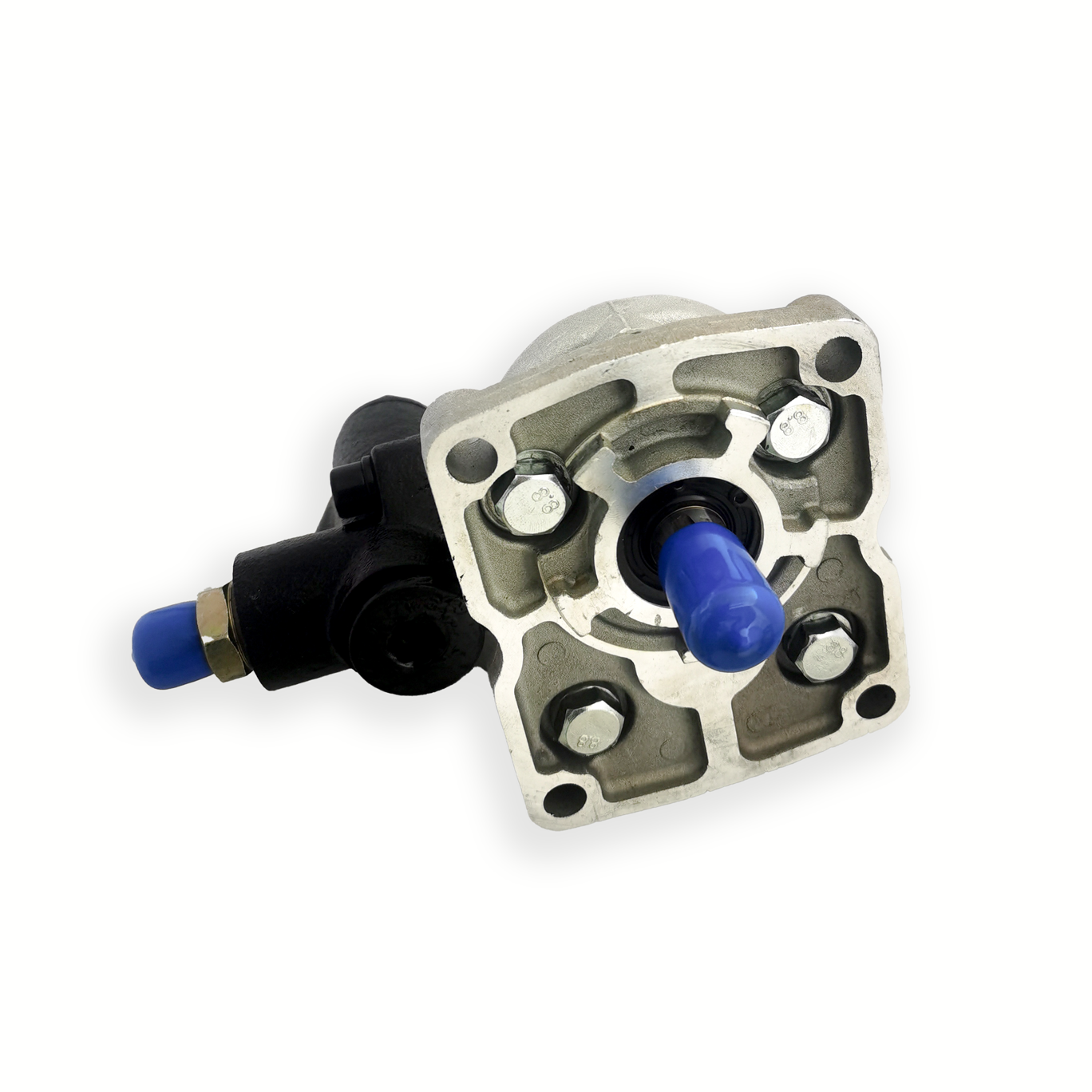
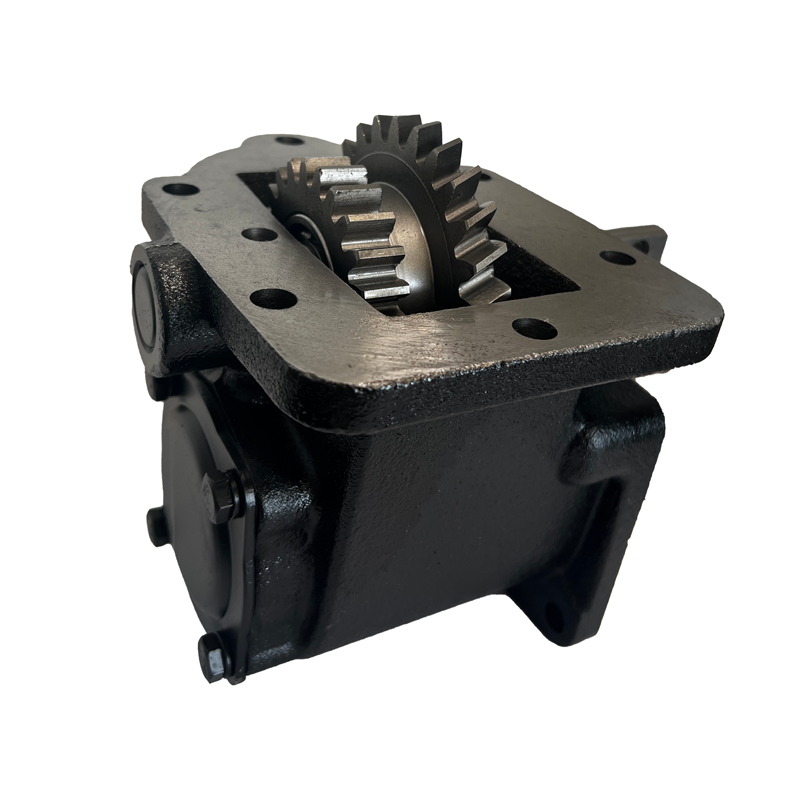
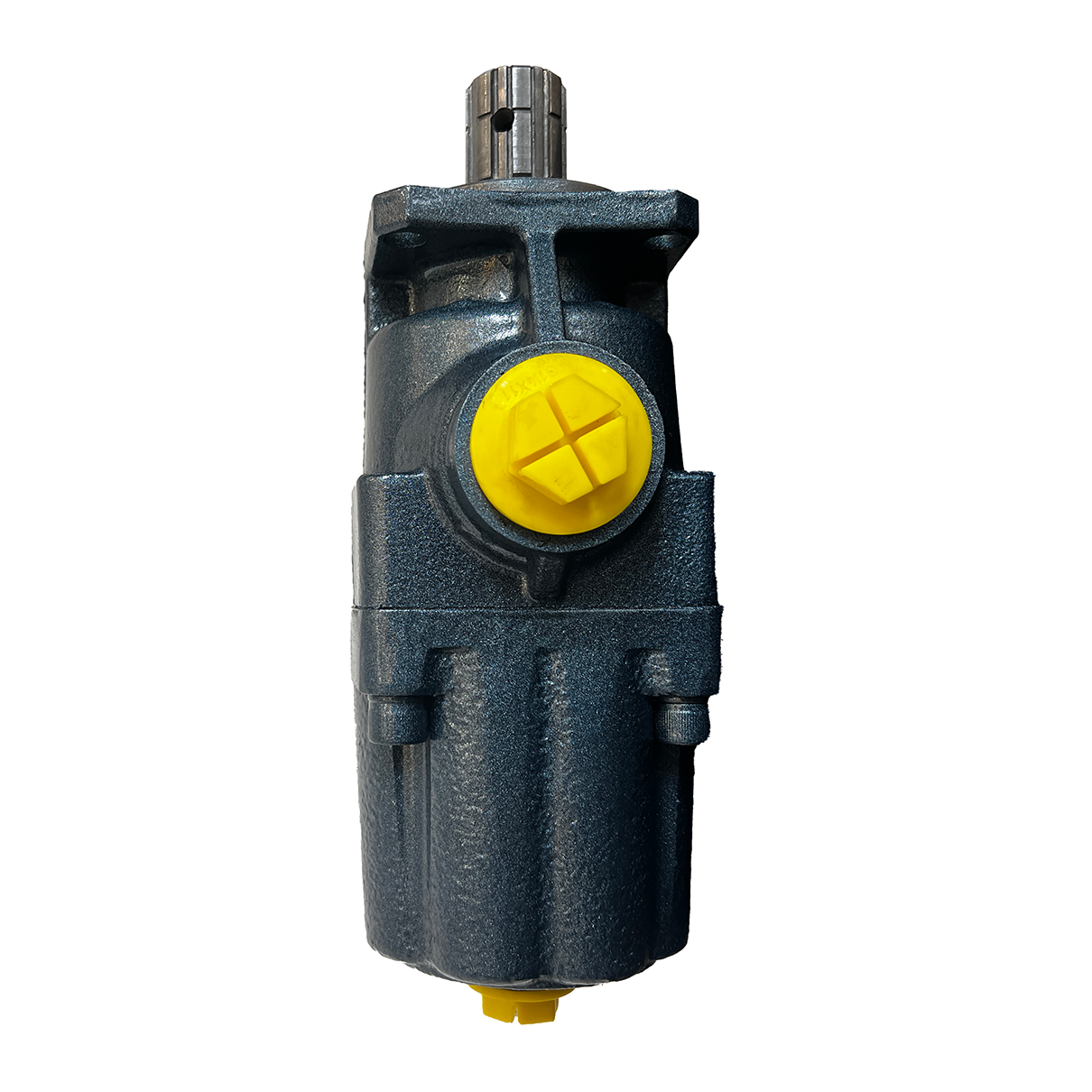
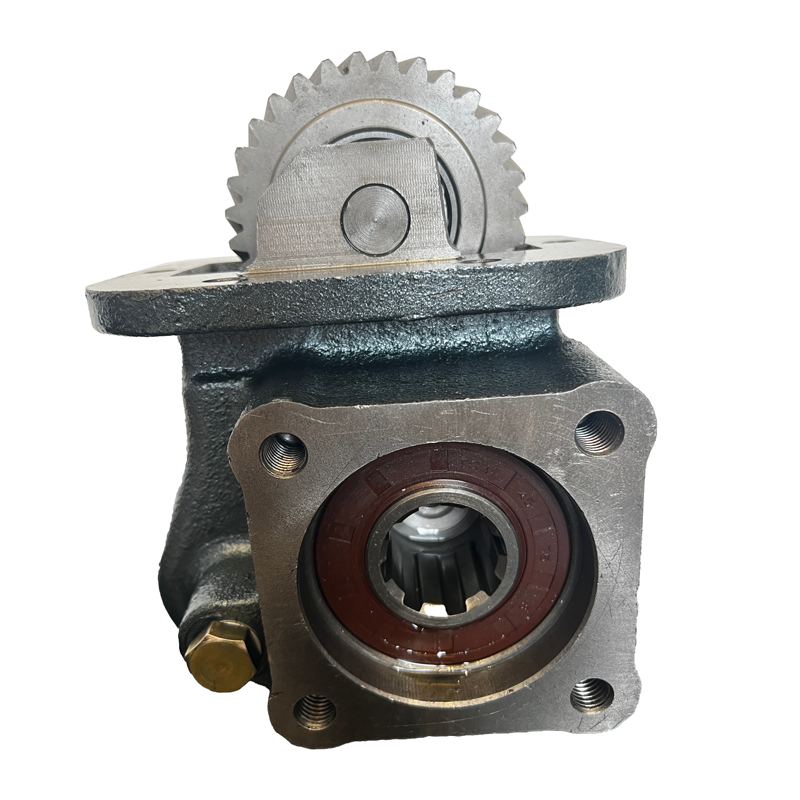
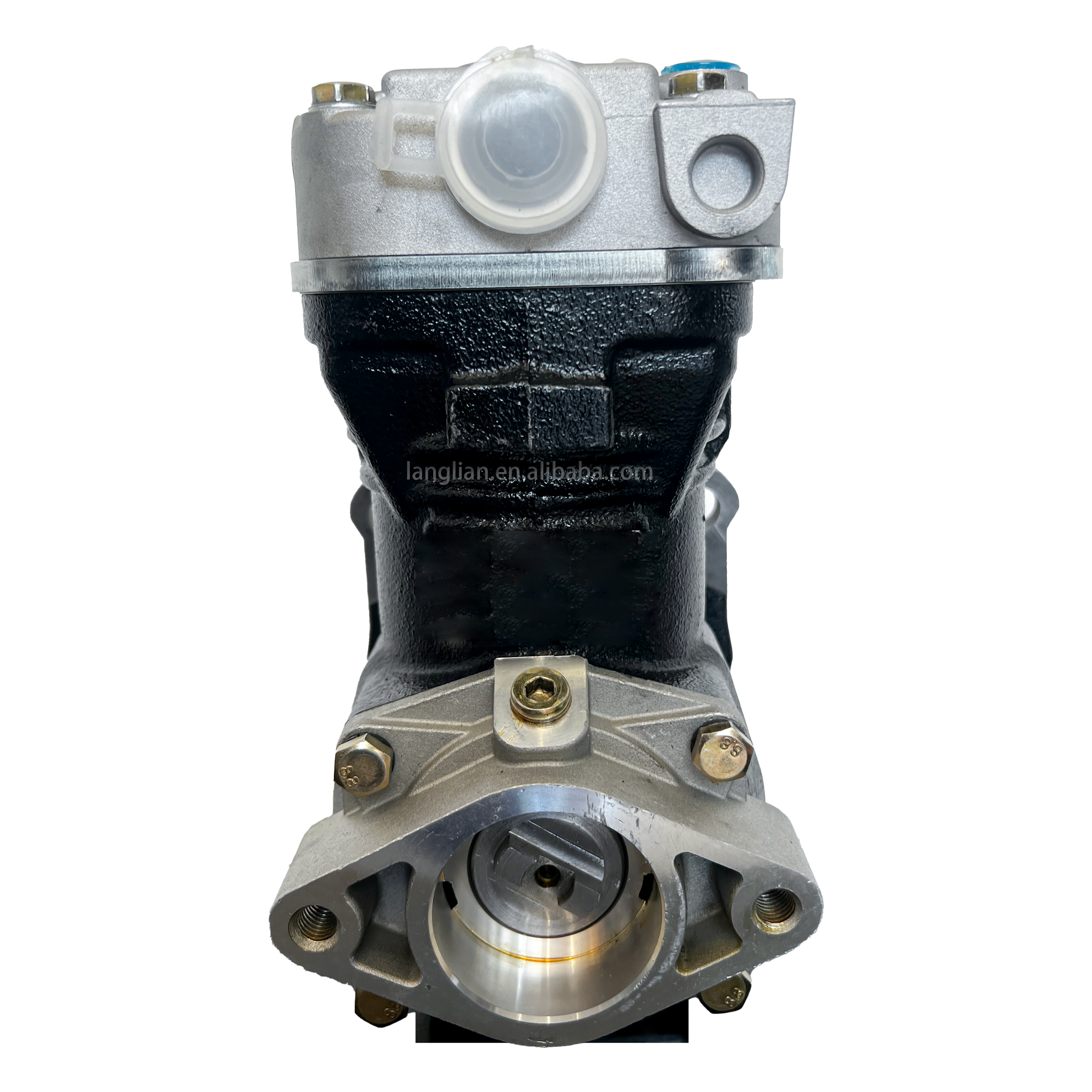
The power steering pump is a core component of a vehicle’s hydraulic power steering system, responsible for providing stable hydraulic power to the steering system. Proper use and maintenance of the power steering pump not only extends its service life but also ensures driving safety. The following are precautions for using the power steering pump, categorized by key points:
I. Precautions for Daily Use
Avoid turning the steering wheel to its full limit for extended periods
When the steering wheel is turned to its limit, internal pressure in the power steering pump surges, obstructing fluid circulation. This can easily lead to overheating of the pump housing, deterioration of seals, or rupture of fluid lines.
Correct procedure: When steering, maintain a slight return play to avoid holding the wheel at extreme angles for extended periods.
Check the power steering fluid level regularly
Insufficient fluid can cause the pump to run dry, resulting in abnormal noises, wear, or even burnout.
Inspection method:
After turning off the engine, use the dipstick or sight glass to check if the fluid level is within the standard range (typically between “MIN” and “MAX”).
The fluid should be clear and transparent. If it becomes cloudy, blackened, or foamy, replace it immediately.
Use Standard-Compliant Steering Fluid
Different vehicle models have varying requirements for steering fluid viscosity and wear resistance. Mixing fluids or using low-quality fluid may cause pump corrosion or seal failure.
Recommendations:
Refer to the vehicle manual to select the manufacturer-specified fluid (such as ATF automatic transmission fluid or dedicated power steering fluid).
Avoid using substitutes such as engine oil or gear oil.
Control Engine RPM
During a cold start, excessively high engine RPMs can cause the power steering pump to experience sudden high pressure, accelerating wear.
Correct Procedure: After starting the engine, let it idle for 1–2 minutes until the fluid circulation is normal before accelerating.
II. Key Maintenance and Care Points
Regularly Replace Power Steering Fluid
Fluid degradation reduces lubrication and heat dissipation performance, increasing the load on the pump.
Replacement Intervals:
Standard Vehicles: Replace every 40,000–60,000 km or every 2–3 years.
High-Performance/Heavy-Duty Vehicles: Replace every 20,000–40,000 km.
Replacement Procedure:
Drain the old fluid, flush the system with fresh fluid, then refill to the standard level.
Inspect Fluid Lines and Fittings
Aged, cracked fluid lines or loose fittings can cause fluid leaks, affecting power steering performance and potentially creating safety hazards.
Inspection Items:
Regularly check fluid lines for swelling, deformation, or fluid seepage.
Tighten all fittings to ensure they are secure.
Clean or Replace the Filter
A clogged filter restricts fluid flow, causing abnormal pressure in the pump.
Recommendation:
Clean the filter every two fluid changes, or replace it regularly as specified in the manual.
In harsh road conditions (e.g., dusty or muddy), shorten the inspection interval.
Avoid High-Temperature Environments
Prolonged exposure to high temperatures accelerates fluid oxidation and seal deterioration, shortening the pump’s service life.
Precautions:
Avoid prolonged low-speed driving in high-temperature environments (e.g., traffic jams).
Regularly check that the radiator fan is operating normally to ensure proper cooling of the steering system.
III. Troubleshooting and Emergency Procedures
Heavy Steering or Unusual Noises
Possible Causes: Low fluid level, clogged fluid lines, internal wear in the pump, or a loose belt.
Emergency Measures:
Stop immediately to check the fluid level and top it up to the standard range.
If the belt is loose, adjust the tension or replace the belt (specialized tools required).
If the noise persists, avoid driving aggressively and contact a repair technician.
Steering Pump Fluid Leak
Common locations: Pump body seals, fluid line fittings, oil seals.
Recommended Actions:
For minor leaks, temporarily top up the fluid and monitor the situation, but have it repaired as soon as possible.
In case of severe leakage, stop immediately and have the vehicle towed to a repair shop to prevent fluid depletion and subsequent loss of steering control.
Abnormal System Pressure
Symptoms: Steering wheel vibration, slow return to center, or intermittent power assistance.
Possible Causes: Faulty pressure relief valve, internal pump leakage, or contaminated fluid.
Recommendation: Have a professional inspect the system pressure and perform repairs; do not attempt to disassemble the pump yourself.
IV. Long-Term Parking and Use in Special Environments
Long-Term Parking
Prolonged inactivity of the power steering pump may cause seals to dry out and fluid to settle.
Recommendations:
Start the engine monthly and gently turn the steering wheel several times to maintain fluid circulation.
Ensure the fluid level is normal before parking to prevent contaminants from entering the system.
Use in Cold Climates
Low temperatures increase fluid viscosity, resulting in higher startup resistance for the power steering pump.
Measures:
Use power steering fluid with good low-temperature flow properties (e.g., 0W or 5W grade).
After starting the engine in winter, let it idle for 1–2 minutes to warm up before driving.
V. Safety and Environmental Tips
Disposal of Used Fluid: Steering fluid is classified as hazardous waste and must be disposed of by a professional recycling facility to prevent environmental contamination.
Child Safety: Keep children away when changing fluid to prevent accidental ingestion or skin contact.
Fire Safety: Fluid is flammable; keep away from open flames and do not smoke while working.
Translated with DeepL.com (free version)
