

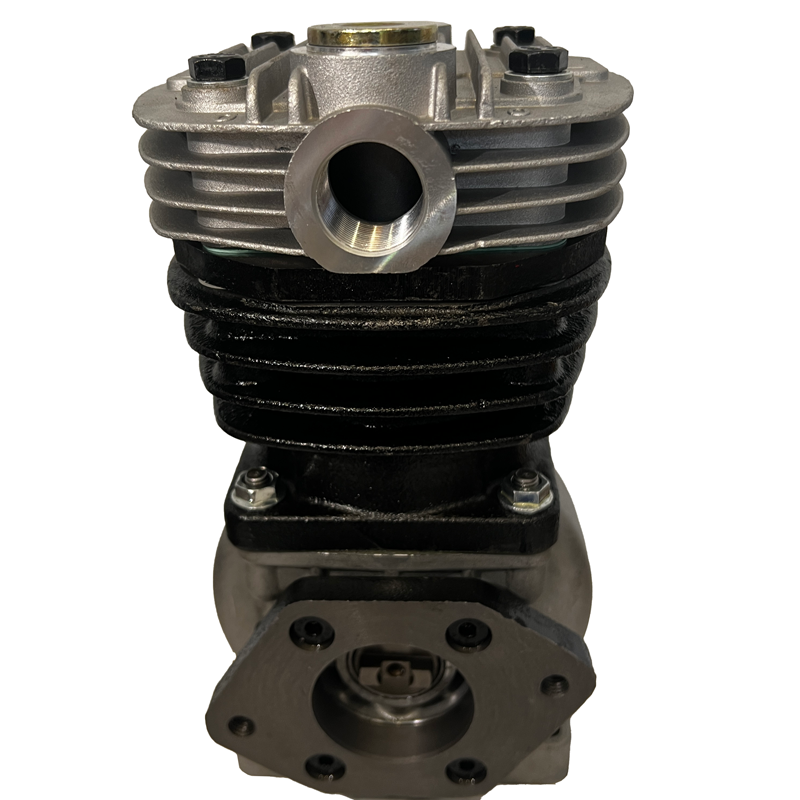
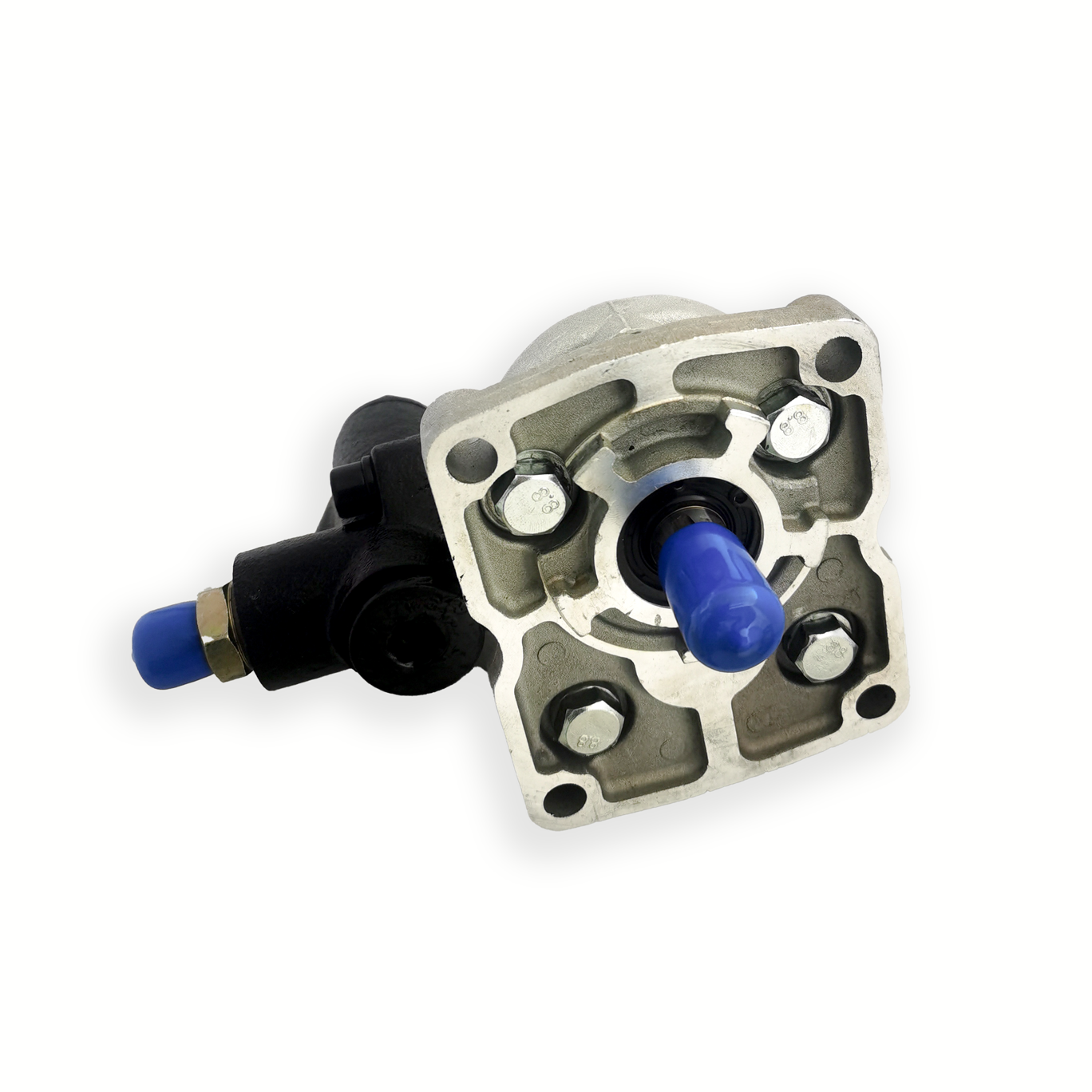
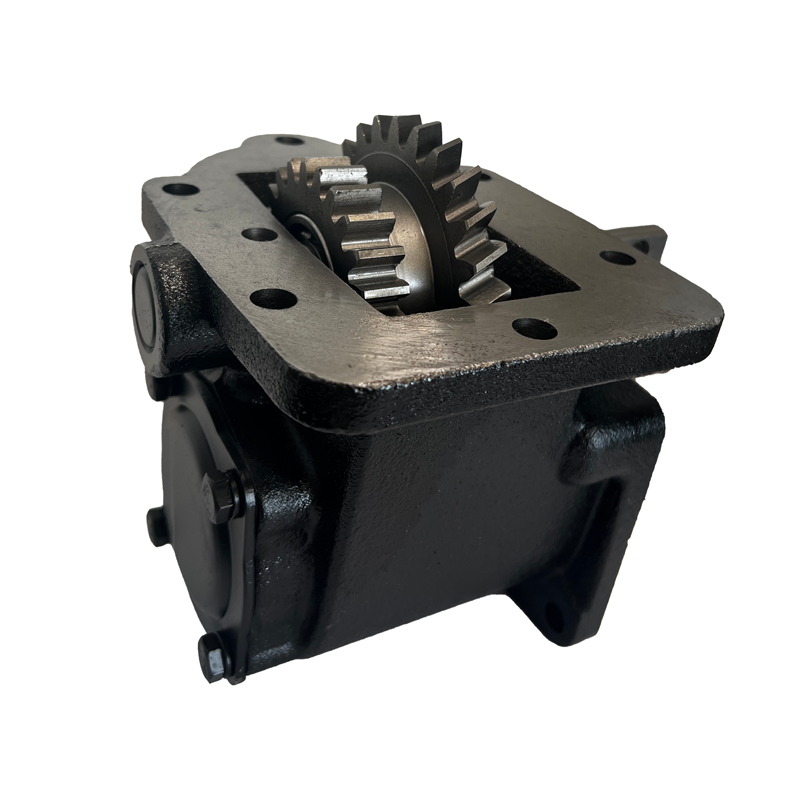
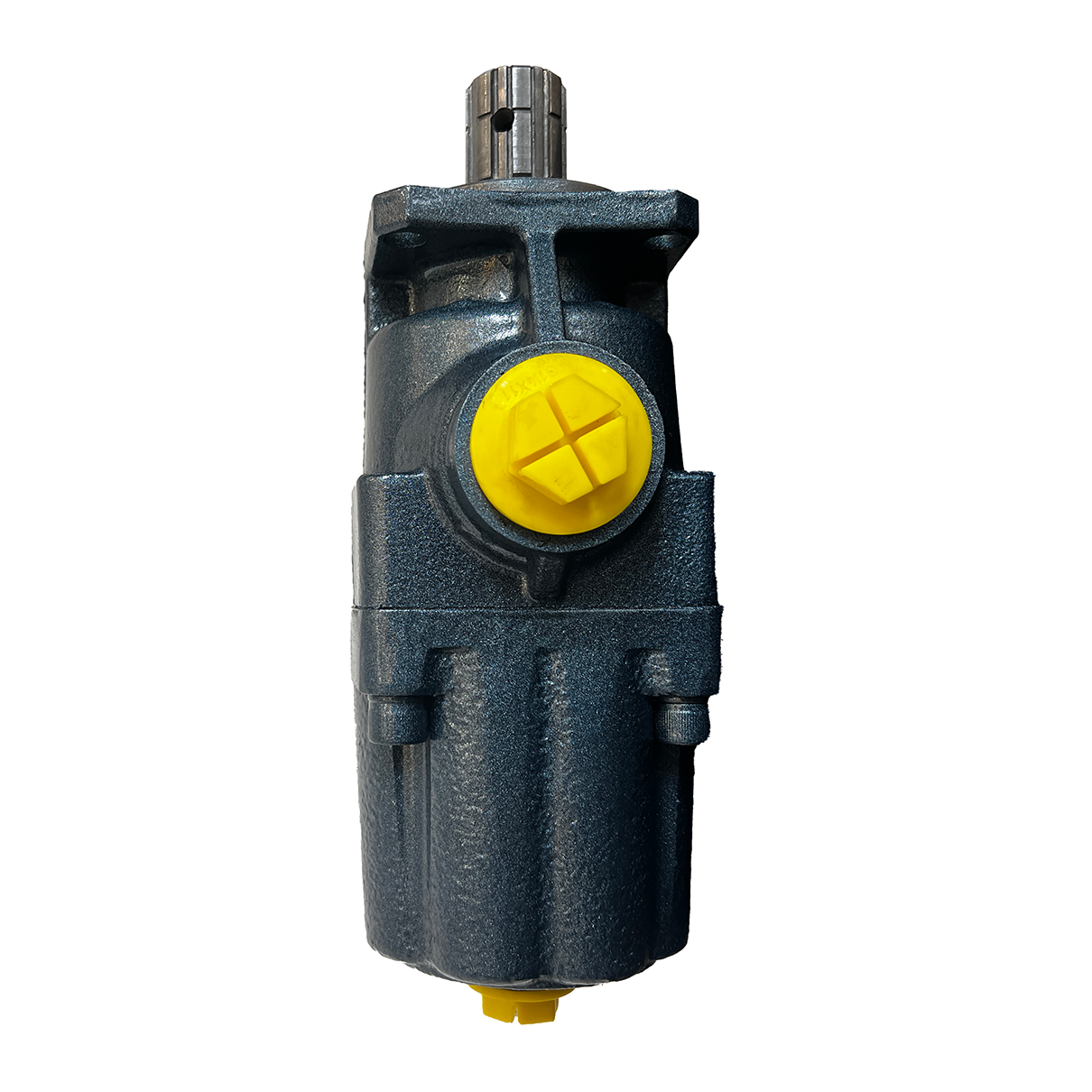
As a core component in hydraulic systems, the operating characteristics of hydraulic gear pumps cover multiple aspects such as structure, performance, application, and limitations. A detailed analysis is provided below:
I. Structural Characteristics
Compact Design
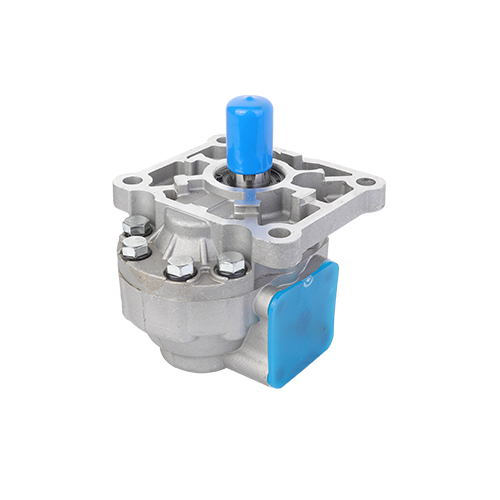
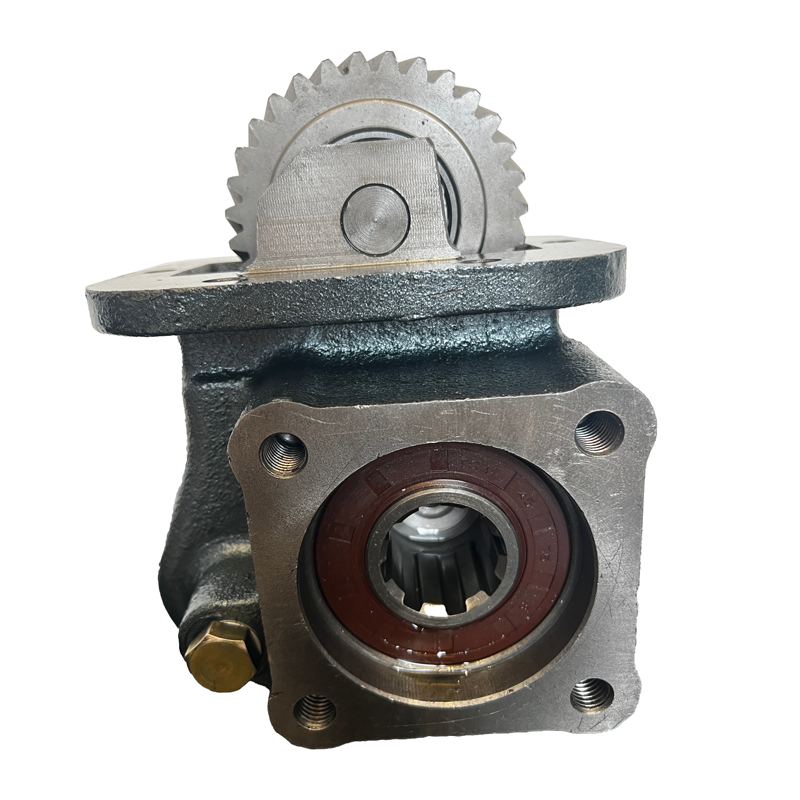
Hydraulic gear pumps are composed of core components such as gears, pump bodies, and end covers, featuring a small size and light weight, which facilitates their integration into various hydraulic systems. For example, external gear pumps adopt a design with two gears rotating in opposite directions, offering a simple structure; internal gear pumps further reduce volume by meshing an internal gear ring with a pinion, making them suitable for scenarios with limited space.
Optimized Sealing
When gears mesh, the tooth-direction contact lines isolate the suction chamber from the pressure chamber, enabling oil distribution. Meanwhile, by controlling the axial clearance between the gear end faces and the end covers (0.025–0.04 mm for low-flow pumps and 0.04–0.06 mm for high-flow pumps), as well as the radial clearance between the gear tooth tips and the inner wall of the pump body (0.13–0.16 mm), leakage is reduced, radial forces are balanced, and bearing life is extended.
Handling of Oil Trapping
During gear meshing, the periodic changes in the trapped volume can lead to pressure surges and noise. By creating relief grooves on the bushings or side plates on both sides of the gears, the trapped volume can be connected to the suction or pressure chambers, effectively alleviating oil trapping and enhancing operational smoothness.
II. Performance Characteristics
Flow and Pressure
Flow Characteristics: Gear pumps are fixed-displacement pumps, with flow rate directly proportional to rotational speed. However, they exhibit pulsation (typically with a pulsation rate of 5%–10%), which may cause system vibration. Internal gear pumps, with more meshing points, have lower pulsation and are suitable for applications requiring high flow stability.
Pressure Range: Ordinary gear pumps have a rated pressure of 10–25 MPa. High-pressure models automatically compensate for end-face clearance using floating bushings or elastic side plates, increasing pressure to over 35 MPa to meet the needs of medium- to high-pressure systems.
Efficiency and Loss
Volumetric Efficiency: Significantly affected by end-face leakage (accounting for 70%–80% of total leakage), ordinary gear pumps have a volumetric efficiency of approximately 80%–90%. High-pressure models can improve efficiency to over 92% through clearance compensation technology.
Mechanical Efficiency: Gear meshing friction and bearing losses result in relatively low mechanical efficiency (about 85%–90%), which decreases with increasing pressure.
Self-Priming Capability and Rotational Speed
Gear pumps possess strong self-priming capability, with a suction height of over 500 mm, and allow the suction and discharge ports to have the same diameter (even enabling reverse operation). They have a wide rotational speed range (typically 1000–3000 r/min), adapting to various operating conditions.
III. Application Characteristics
Suitable Scenarios
Low-Pressure Systems: Widely used in low-pressure applications such as hydraulic systems for machine tools, textile machinery, and agricultural equipment (pressure ≤ 10 MPa).
Lubrication and Cooling: Provide lubricating oil or coolant for automotive engines and industrial machinery, tolerating oil contamination (e.g., particles, moisture).
Mobile Hydraulics: Serve as auxiliary hydraulic sources in construction machinery such as forklifts and excavators, providing stable flow.
Media Adaptability
They can transport a variety of media, including:
Oils: Hydraulic oil, lubricating oil, and fuel oil (copper gear pumps should be selected for fuel oil).
Corrosive Liquids: Stainless steel gear pumps can transport acid and alkali solutions.
High-Temperature Media: Heat-resistant gear pumps can handle liquids with temperatures ≤ 300°C.
Particle-Laden Liquids: Allow media containing small amounts of hard particles or fibers.
IV. Limitations
Flow Pulsation and Noise
Gear meshing causes flow and pressure pulsation, which can be mitigated by increasing the number of gear teeth or adopting an internal gear design. External gear pumps generate relatively high noise levels (75–85 dB) and are unsuitable for noise-sensitive environments.
Efficiency and Pressure Limitations
Volumetric and mechanical efficiencies are lower than those of piston pumps, and leakage increases under high pressure, making it difficult to meet the demands of ultra-high-pressure systems (e.g., pressure > 40 MPa).
Component Interchangeability and Repair
Key components such as gears and bearings require complete replacement when worn, resulting in high repair costs and poor interchangeability, necessitating strict matching with original manufacturer models.
Difficulty in Variable Displacement Control
Ordinary gear pumps are fixed-displacement pumps and cannot achieve flow control by adjusting displacement. Although variable-displacement gear pumps exist (e.g., by altering the axial position of gears), their complex structure limits widespread application.
