
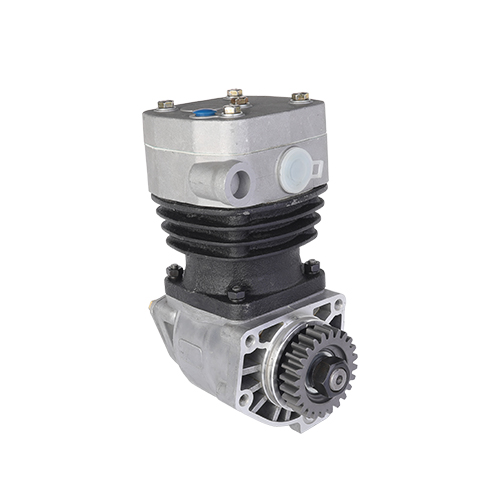
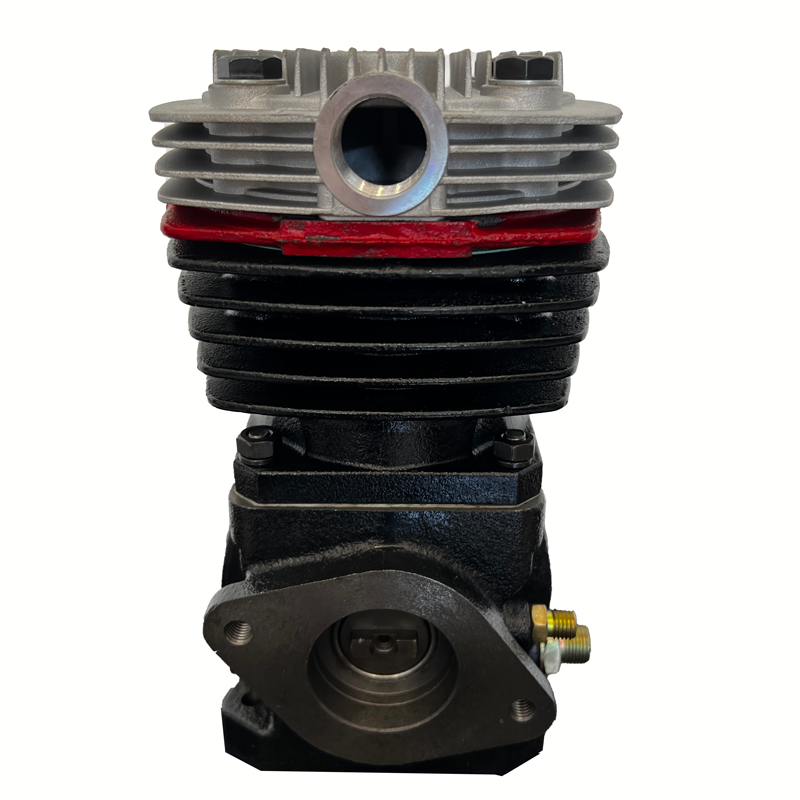
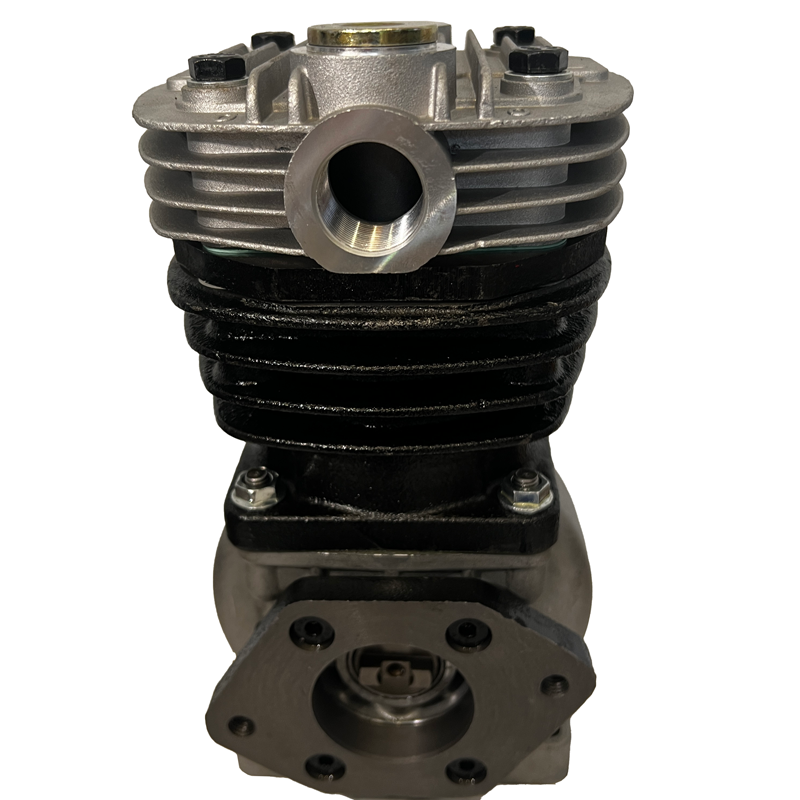
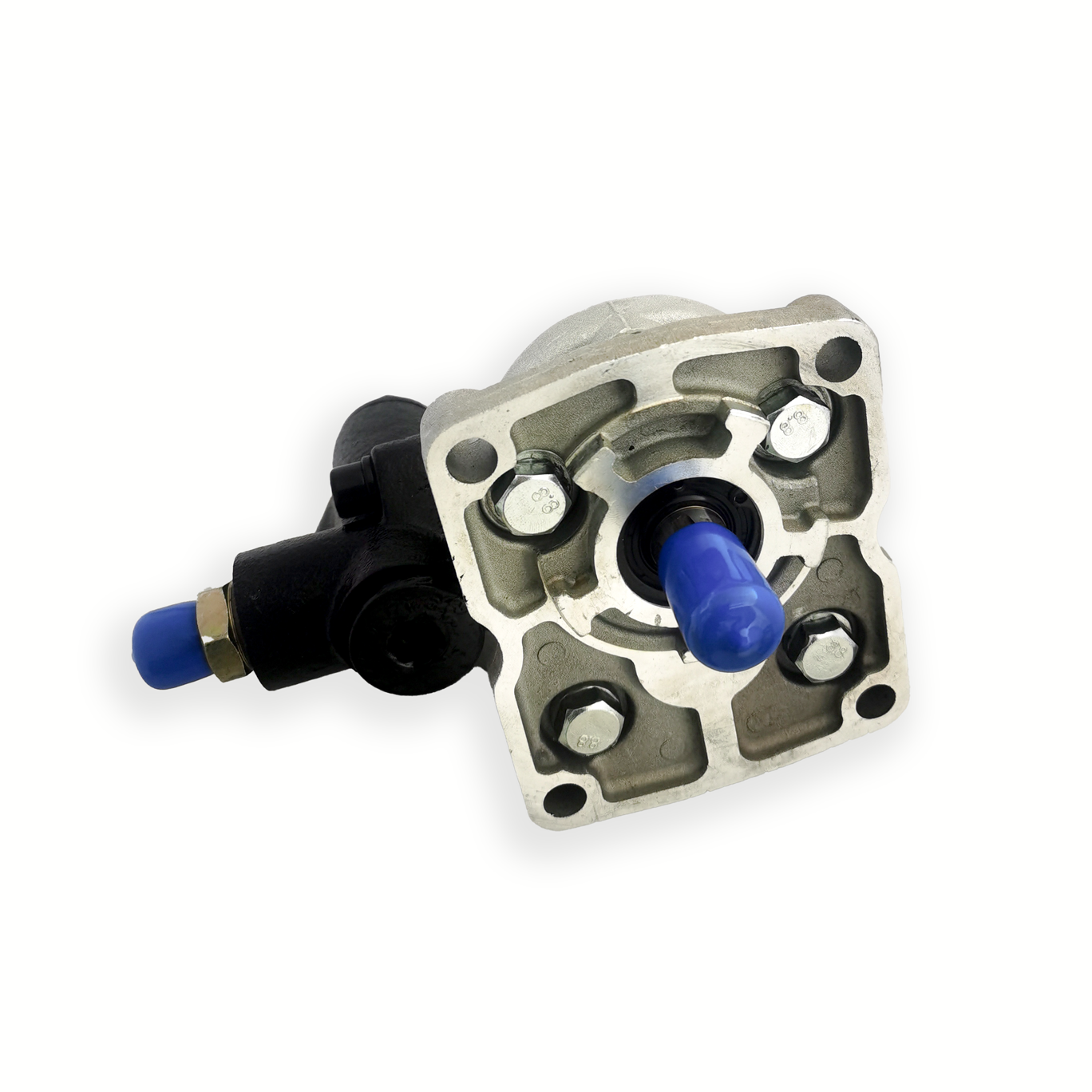
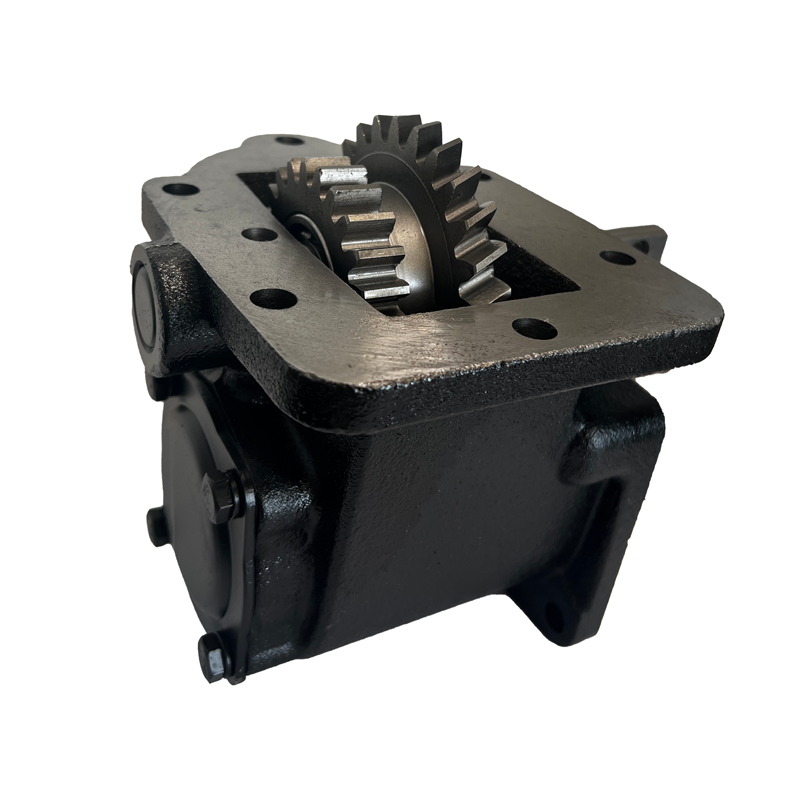
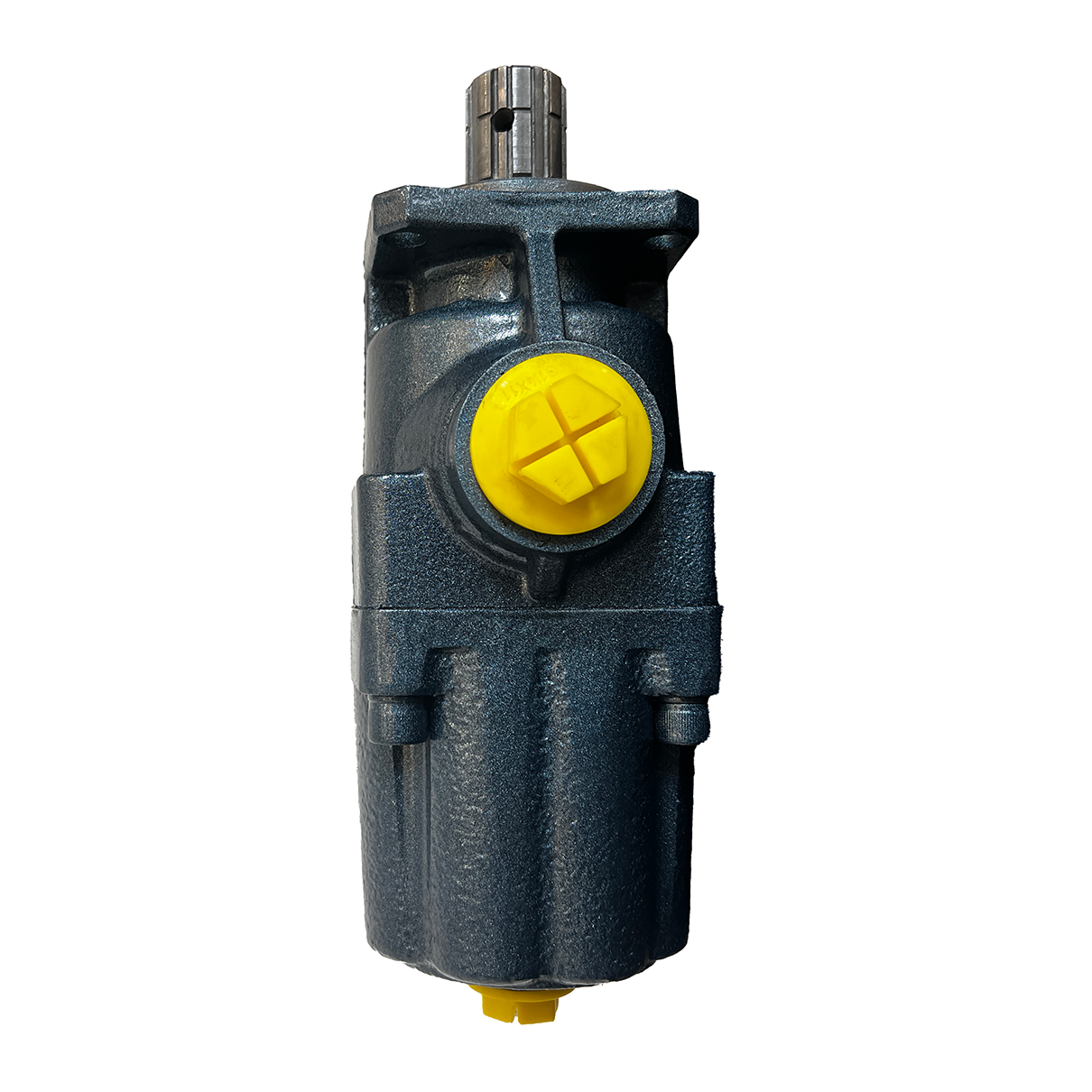
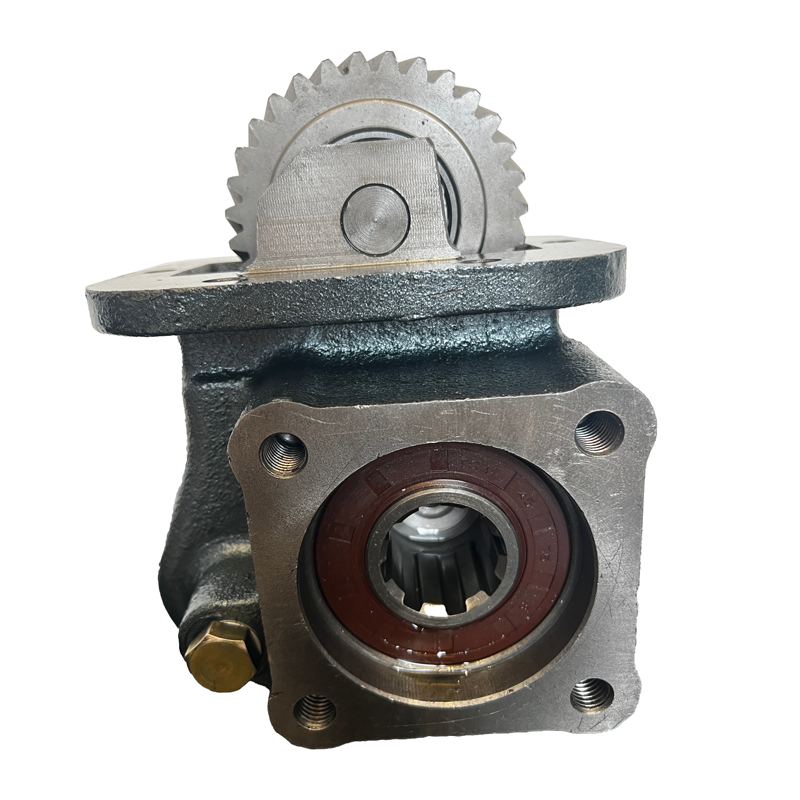
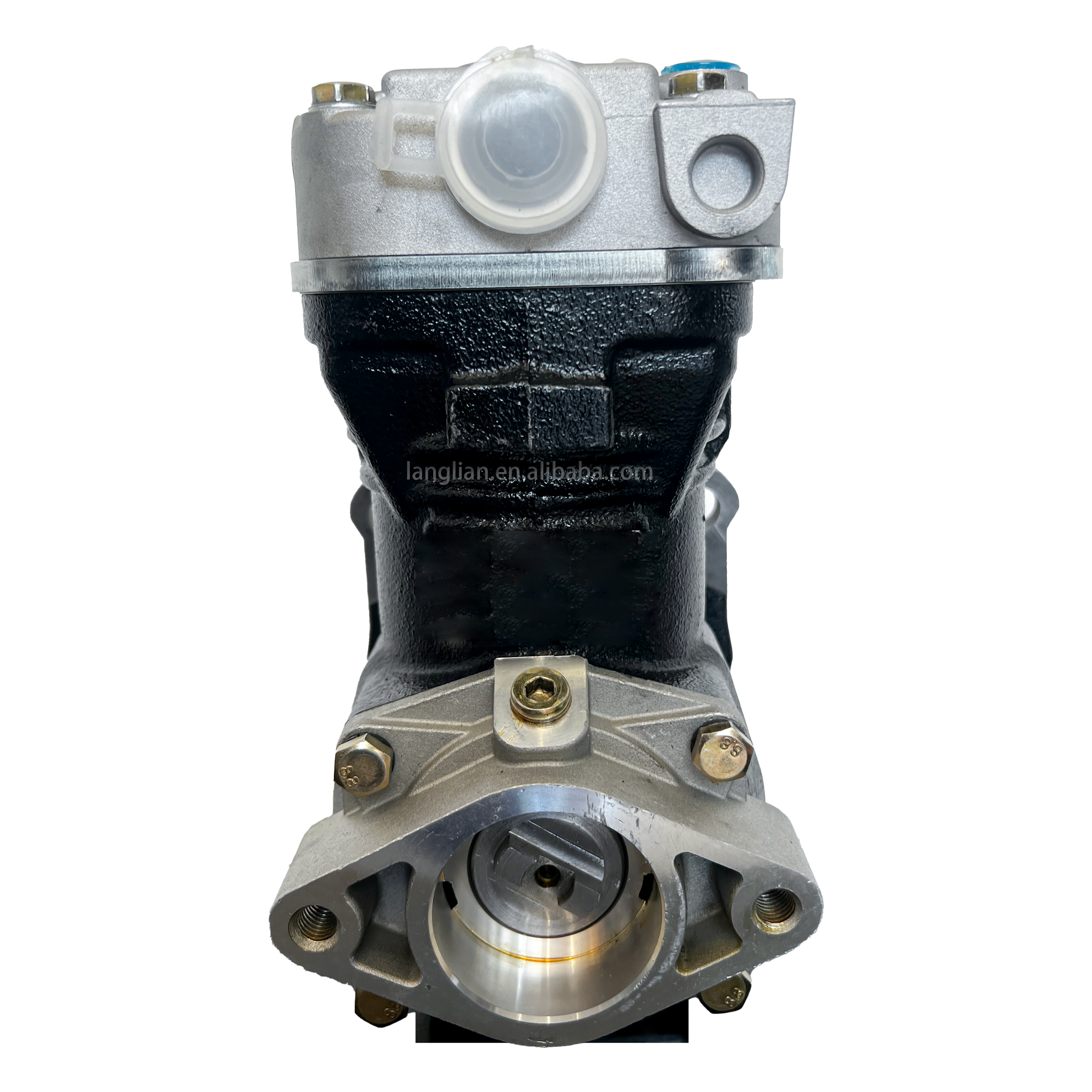
The air brake compressor is a core component of the air brake system, responsible for compressing and storing outside air to provide a power source for the braking system. Its working principle can be divided into three stages: compression, storage and distribution, and control and actuation, as detailed below:
Compression Stage
Intake Process: The air brake compressor is typically driven by the engine. When the engine is running, the air compressor starts working. As the piston moves downward in the cylinder, the intake valve opens, allowing outside air to enter the cylinder through the air filter and intake pipe.
Compression Process: As the piston moves upward, the intake valve closes, and the air inside the cylinder is compressed. As the piston continues to move upward, the air pressure inside the cylinder gradually increases.
Exhaust Process: When the air pressure inside the cylinder reaches a certain level, the exhaust valve opens, allowing the compressed air to flow from the outlet of the air compressor through pipes and an air dryer into the air reservoir.
Storage and Distribution Stage
Air Storage: Once the compressed air enters the air reservoir, it is stored for subsequent use. The air reservoir typically has a certain capacity to store enough compressed air to meet the needs of the braking system.
Air Distribution: When braking is required for a train or vehicle, the compressed air in the air reservoir is distributed to each brake cylinder through a network of pipes. Each brake cylinder is connected to the wheels or braking devices of the train or vehicle to provide braking pressure.
Control and Actuation Stage
Brake Control: The train driver or vehicle driver requests braking by operating brake control devices (such as pneumatic brake valves). These control devices introduce compressed air into the brake cylinders, filling them and applying braking pressure to the wheels or braking devices.
Brake Actuation: The compressed air in the brake cylinders pushes the pistons or diaphragms to move, actuating transmission mechanisms such as pull rods and levers to press the brake shoes against the wheels or bring the brake discs into contact with the brake pads, generating friction to slow down or stop the train or vehicle.
Brake Release: When the driver needs to release the brakes, they operate another control device (such as a pneumatic release valve) to release the compressed air from the brake cylinders. This allows the brake shoes to disengage from the wheels or the brake discs to separate from the brake pads, enabling the wheels or vehicle to rotate freely.
